Deck Cost Factors in Eugene, Oregon
Quick Answer: Deck pricing in Eugene can vary based on size, materials, railings, stairs, site access, demolition, and custom design features.
Deck Cost Factors in Eugene, Oregon
Quick Answer: Deck pricing in Eugene can vary based on size, materials, railings, stairs, site access, demolition, and custom design features.
Deck cost in Eugene depends on a combination of design, materials, labor, and site conditions. The biggest factors usually include deck size, height, stairs, railings, framing requirements, material selection, demolition of an existing deck, and how easy the project site is to access. A simple ground-level deck with straightforward access will usually cost less than a larger custom design with elevation changes, multiple stair runs, premium railing systems, or detailed finish work.
Material choice is one of the most important pricing variables. Cedar and composite decking can create very different budgets, maintenance expectations, and long-term ownership costs. Layout also matters. A basic rectangular deck is generally faster and more efficient to build than a multi-level or highly customized deck with decorative borders, built-in seating, lighting, or integrated patio cover features. Because every property is different, the most accurate way to estimate deck cost is to look at the site, intended use, preferred materials, and design goals together. Homeowners in Eugene often benefit from understanding these cost drivers early so they can choose a deck design that fits both their yard and their budget.
Deck Size and Layout
Deck size is one of the clearest factors affecting overall cost. Larger decks require more framing, more decking material, more fasteners, and more labor hours. Even when two decks use the same materials, the larger footprint usually increases total cost because more structure and finishing work are involved.
Layout also has a major impact. Straightforward square or rectangular decks are usually more efficient to build than decks with multiple angles, curves, landings, or separate levels. Custom layouts often create more cutting, more material waste, and more labor time. If the design includes transitions between spaces, wide stair runs, or multiple functional zones, that can also raise the total project cost.
For homeowners in Eugene, it helps to think about how the deck will actually be used. A well-sized deck that fits the property and the homeowner’s lifestyle often delivers better value than simply building the largest deck possible. Planning for furniture, traffic flow, outdoor dining, and access to the yard can help shape a design that feels useful without adding unnecessary cost.
Material Selection: Cedar vs. Composite
Material selection plays a major role in both initial cost and long-term value. In many deck projects, homeowners compare cedar decking with composite decking because the two options offer different benefits. Cedar is often chosen for its natural appearance, traditional character, and lower upfront material cost. Composite decking is often chosen for its lower maintenance requirements, consistent appearance, and long-term durability.
The right choice depends on priorities. A homeowner who wants a warm natural wood look and is comfortable with ongoing maintenance may prefer cedar. A homeowner who wants less staining, sealing, and upkeep over time may lean toward composite. While composite materials often come with a higher upfront cost, some homeowners see that as worthwhile in exchange for reduced maintenance and a longer-lasting finished appearance.
In Oregon, climate can also shape the decision. Moisture, rainfall, shade, and seasonal exposure can all affect how decking materials perform over time. For many Eugene homeowners, the material decision is not just about price today, but also about maintenance, appearance, and ownership costs over the years ahead.
Railings, Stairs, and Elevation Changes
Railings, stairs, and elevation changes can significantly affect deck pricing because they add both structural complexity and finish work. A deck built close to grade with no major elevation change is usually simpler than an elevated deck that requires code-compliant guardrails, multiple stair runs, reinforced framing, and more detailed construction.
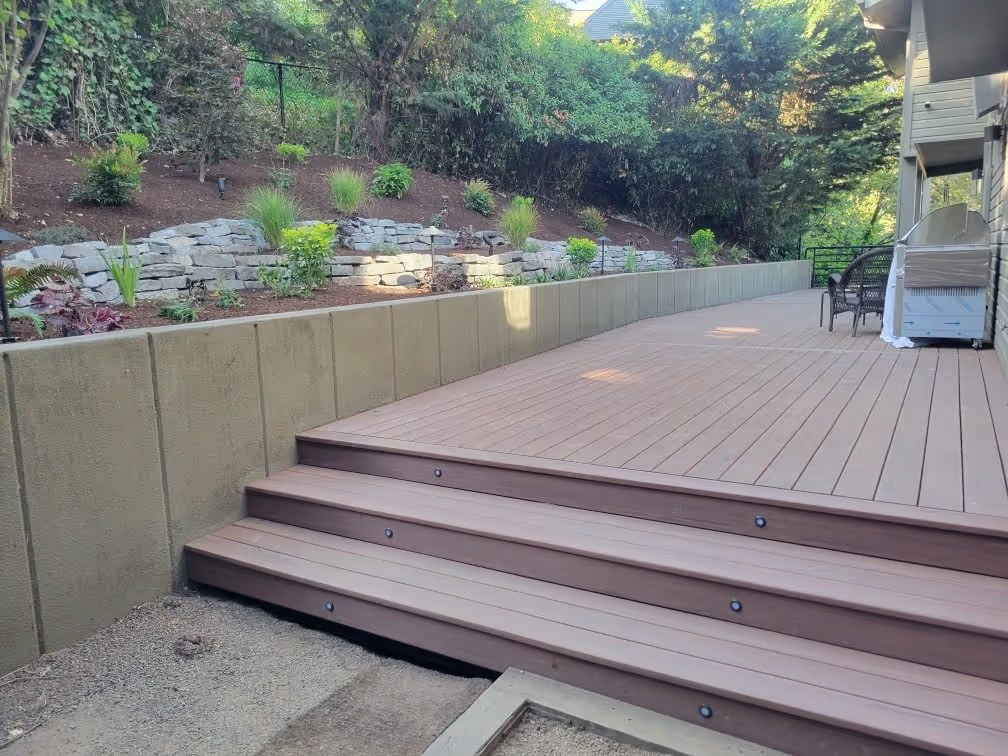
Railings vary widely in cost depending on the design and material. A basic wood railing system is different from a more premium system with metal components, custom details, or a cleaner modern profile. Stairs also add to labor and materials, especially when the project includes wide staircases, multiple landings, or transitions to patios, walkways, or sloped yard areas.
In Eugene, many properties have yard conditions that make stairs and elevation changes part of the design conversation. When that happens, these elements become important cost drivers. Homeowners planning a raised deck or a deck with more complex access points should expect these features to influence the final quote.
Site Access, Demolition, and Existing Conditions
Site access can make a big difference in labor time and overall project difficulty. If a backyard is easy to reach with materials and tools, the project tends to move more efficiently. If access is limited by fencing, narrow side yards, slopes, tight clearances, or landscaping obstacles, labor and handling time can increase.
Existing conditions also matter. If an older deck needs to be removed before the new one is built, demolition and disposal become part of the project scope. In some cases, homeowners may also have drainage issues, grading concerns, or surrounding site features that need to be worked around carefully during construction. These types of conditions can increase project complexity even if the visible deck design itself seems straightforward.
For Eugene homeowners, every site is a little different. That is why two decks that look similar on paper can still price differently in real life. A site visit often reveals access conditions and project variables that are hard to fully understand from measurements alone.
Custom Features and Getting an Accurate Quote
Custom features can elevate both the look and function of a deck, but they can also raise the cost. Built-in benches, integrated lighting, decorative picture framing, skirting, pergola tie-ins, custom steps, privacy details, and unique finishing touches all add labor and material requirements. These features can absolutely be worth it, but they should be part of the planning conversation early so the project stays aligned with the homeowner’s priorities.
The most accurate deck quote comes from looking at the complete picture: size, layout, material preference, railing and stair design, site access, demolition needs, and custom details. Online estimates can be helpful for general planning, but they rarely capture the full reality of a specific property and build scope.
For homeowners in Eugene, the best next step is usually to define the goals of the deck first, then match the design to the site and budget. A well-planned project often leads to better value, fewer surprises, and a finished result that fits both the home and the way the space will be used.